Quick Read
- Metallica was widely rumored to headline the Super Bowl 2026 halftime show.
- The NFL officially confirmed Bad Bunny as the 2026 halftime performer.
- Rob Trujillo of Metallica shared an emotional tribute at Black Sabbath’s final concert.
- Surveys show Metallica remains a fan favorite for major live events.
- Super Bowl halftime choices have major impact on music and culture.
Metallica’s Super Bowl Buzz: A Rock Giant in the Spotlight
As the countdown to the Super Bowl 2026 accelerates, speculation around its halftime show has reached a fever pitch. Every year, the National Football League (NFL) faces a daunting task: selecting a performer who can electrify one of the most-watched live audiences on the planet. For months, fans and insiders have volleyed names like Adele, Taylor Swift, Miley Cyrus, and Justin Bieber. Yet, one name from the world of rock continues to spark excitement and nostalgia—Metallica.
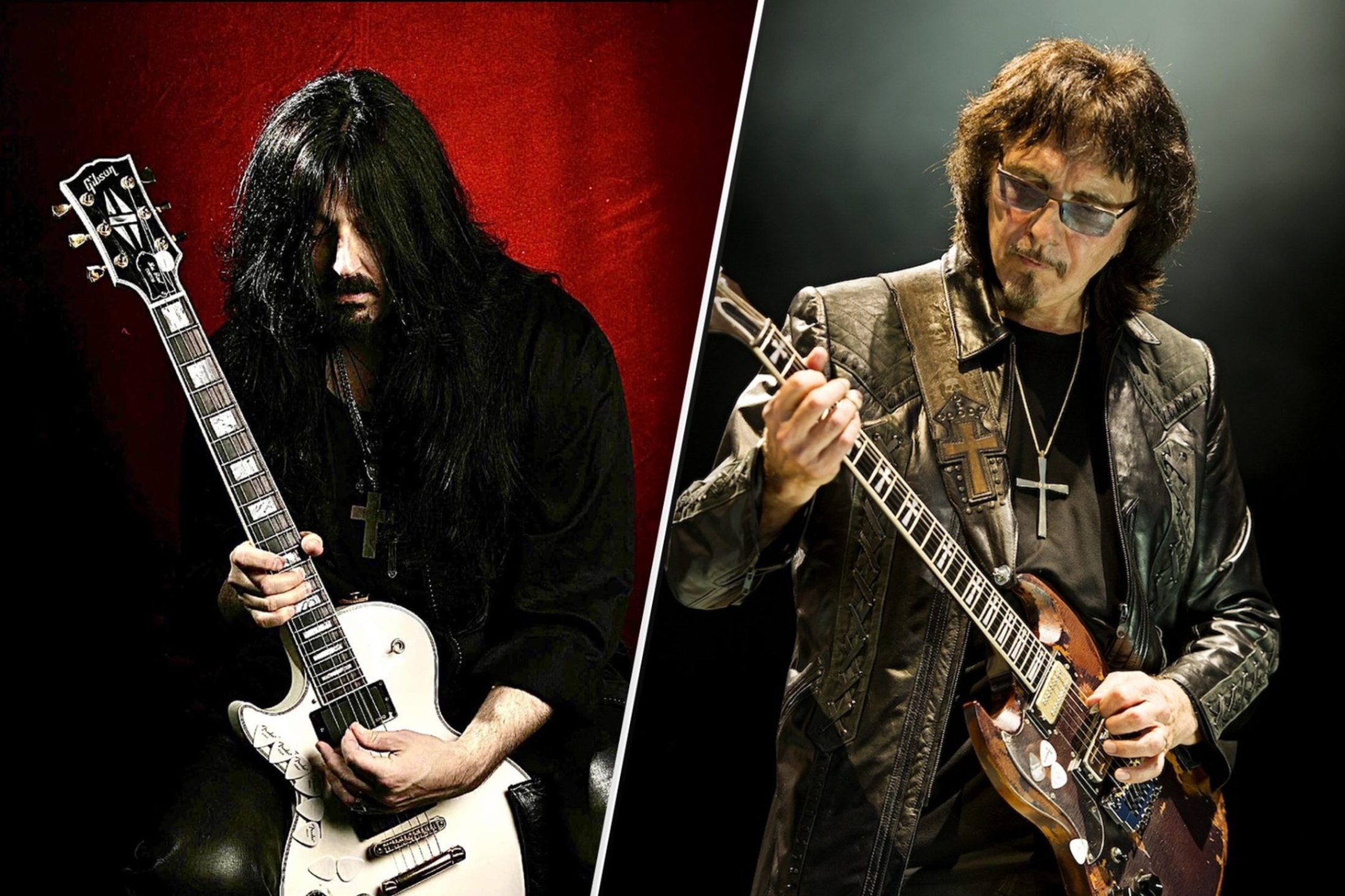
Metallica’s possible appearance isn’t just wishful thinking. According to Hindustan Times and ZoomBangla, the legendary band has openly expressed interest in headlining the halftime show, and their large-scale, high-energy performances seem tailor-made for the Super Bowl spectacle. Betting markets and online forums have placed Metallica alongside pop superstars, reflecting an appetite for a halftime act that can blend generations and genres.
But in a twist worthy of its own halftime drama, the official announcement finally arrived: Grammy-winning Latin artist Bad Bunny will take center stage at Levi’s Stadium on February 8, 2026. The NFL, Roc Nation, and Apple Music confirmed this during NBC’s Sunday Night Football broadcast. While the choice marks a significant milestone for Latin music’s influence on global pop culture, it leaves Metallica’s legions of fans wondering—what if?
Why Metallica Resonates: Legacy and Live Power
For many, Metallica’s allure goes far beyond their stadium-filling sound. The band’s reputation for jaw-dropping live shows—complete with pyrotechnics, thunderous riffs, and crowd-surfing anthems—makes them a perennial favorite in Super Bowl speculation. Their potential involvement would signal a shift: a return to the heavy, legendary sound that shaped rock and metal for decades.
Recent surveys reported by Hindustan Times show Metallica favored by 10% of respondents, just behind pop titans. It’s a testament to their cross-generational influence. For older fans, Metallica is the soundtrack of rebellion and raw emotion. For younger audiences, their music is rediscovered anew—often through viral moments or tributes from contemporary artists.
Metallica’s history with live events adds to the anticipation. From their massive world tours to memorable festival appearances, their shows are more than concerts; they’re communal experiences. The idea of Metallica commanding the Super Bowl stage, even if only as a rumor, taps into a deep well of cultural nostalgia.
Tribute to Black Sabbath: Rob Trujillo’s Emotional Reflections
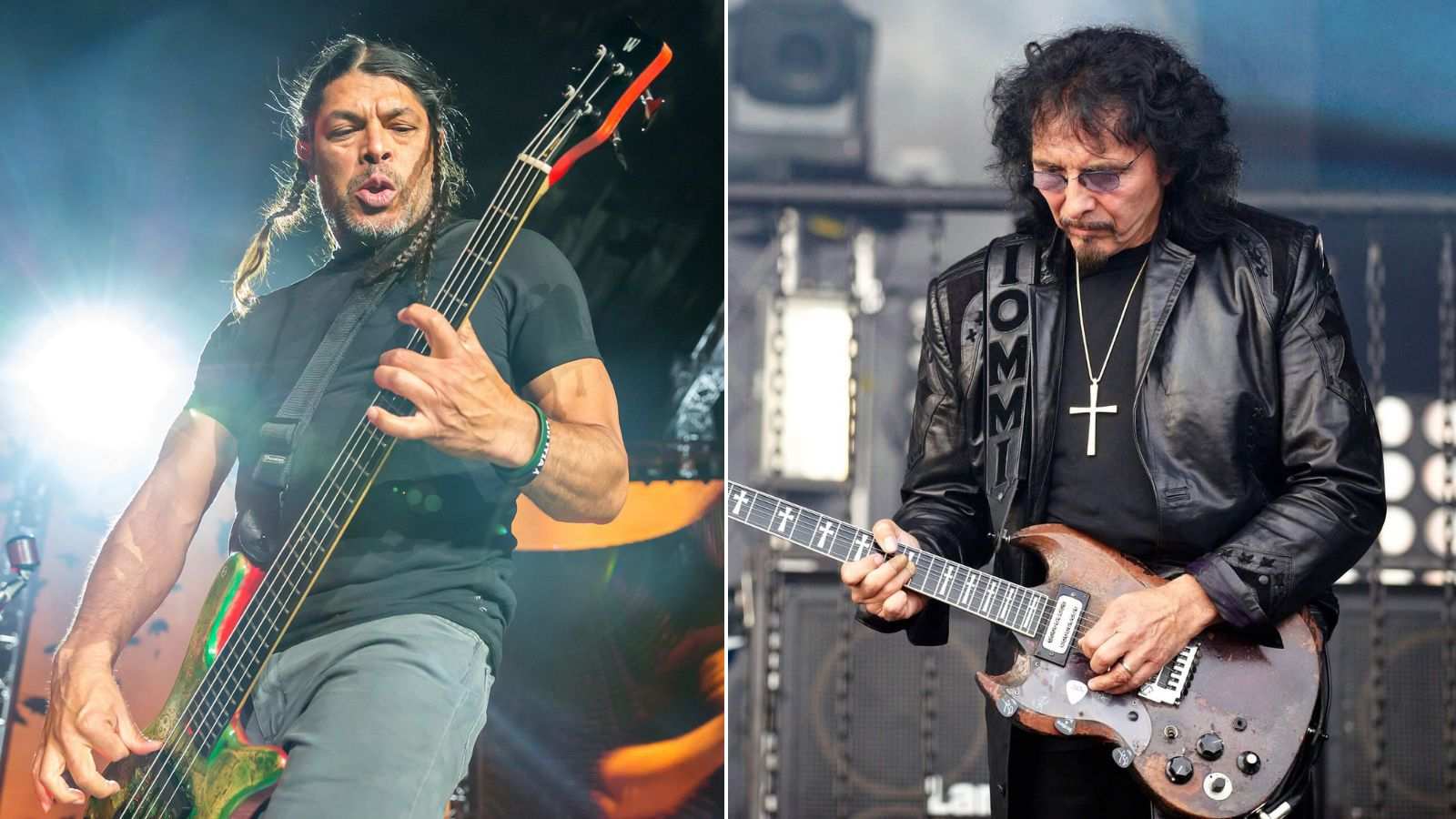
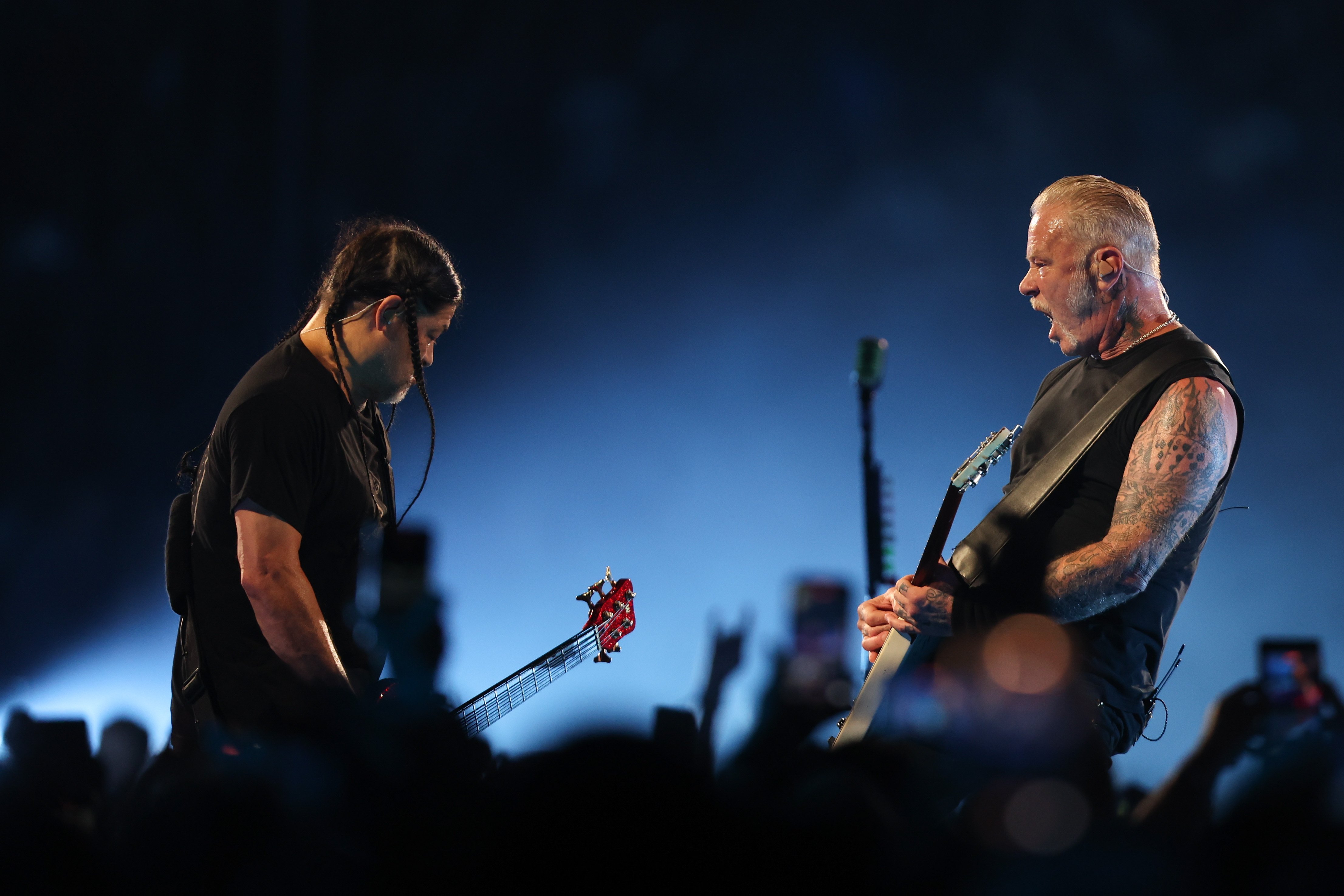
While the Super Bowl stage remains elusive, Metallica’s bassist Rob Trujillo recently stepped into the spotlight for another reason—honoring rock pioneers Black Sabbath at their final concert. In an interview with Ultimate Guitar, Trujillo described the atmosphere as “intense,” likening the band’s warm-up to watching Muhammad Ali shadow box—each note loaded with history and gravity.
“It was definitely a true celebration,” Trujillo said, reflecting on the importance of Black Sabbath’s music to the entire rock and metal landscape. “They were the seed. We’ve all become the creators of the music we’ve created because of them, and they paved the way for us.”
The soundcheck, two days before the concert, became a near-religious experience for those present. As Sabbath members warmed up—drum fills echoing, guitar lines weaving between jazz and metal—Trujillo recalled the crowd’s reaction: “Everybody that was watching… just started headbanging, and we were all smiling. And some people were crying.”
It’s a moment that encapsulates why Metallica remains so vital. Their reverence for rock’s roots and ability to evoke deep emotion in fans and fellow musicians alike bridges generations. The Black Sabbath tribute wasn’t just a performance; it was a passing of the torch, a reminder of music’s power to unite and move.
The Super Bowl Halftime Show: More Than Just Music
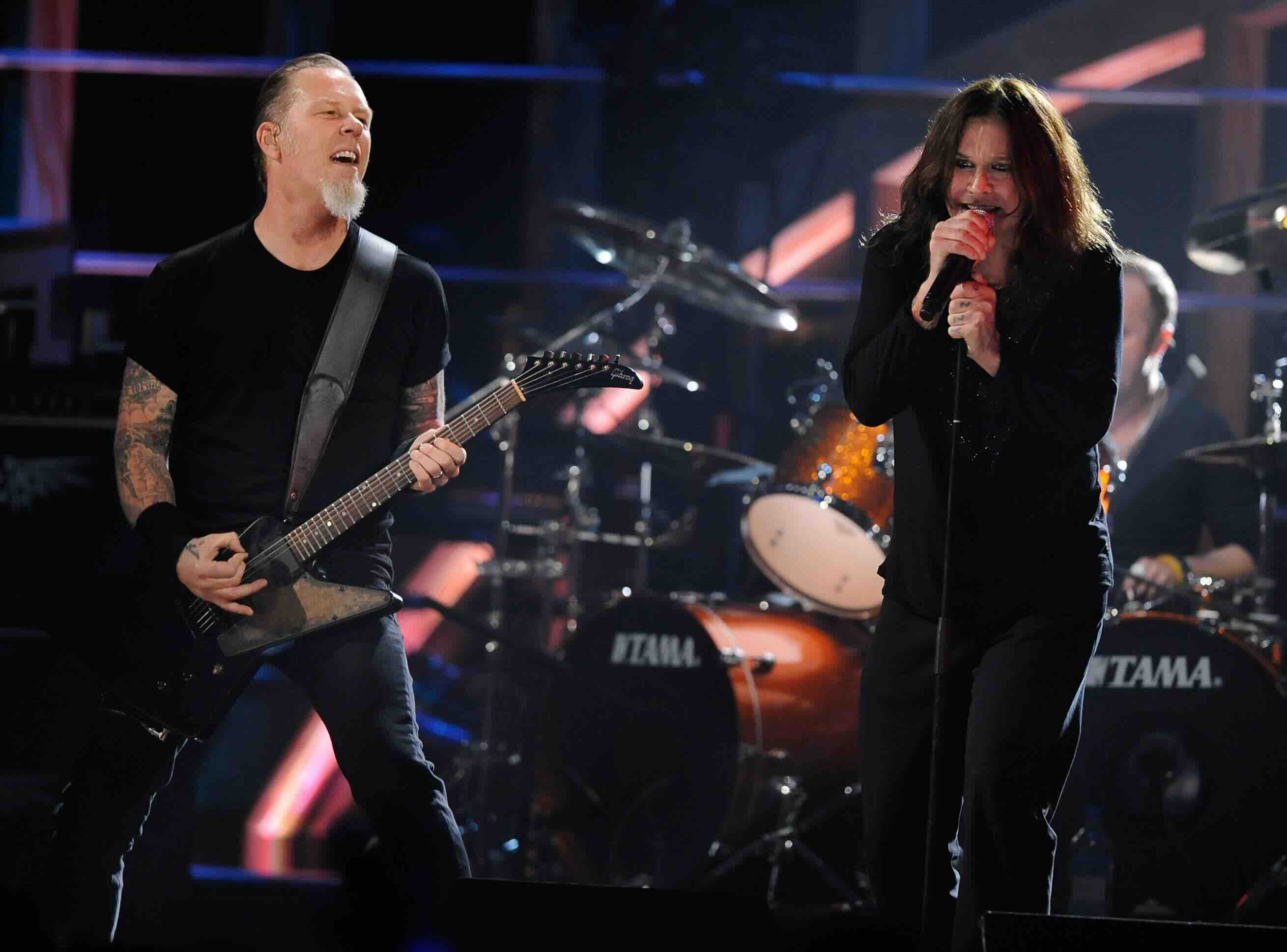
Why does the halftime performer matter so much? Beyond the spectacle, the selection has ripple effects across the music industry and pop culture. A Super Bowl booking can send an artist’s streaming numbers soaring and spark global conversations. For the NFL, it’s a strategic move to connect with audiences beyond die-hard football fans.
This year, the rumors reflected shifting tides in entertainment. Adele’s powerhouse vocals, Taylor Swift’s pop dominance, Miley Cyrus’s edgy persona, and Metallica’s legendary status each represented different facets of what the Super Bowl could be. Ultimately, Bad Bunny’s confirmation signals a bet on youth, diversity, and the explosive growth of Latin music.
Yet, the persistent buzz around Metallica highlights a hunger for the raw, communal energy that only rock can deliver. It’s not just about nostalgia; it’s about authenticity and the thrill of live music that transcends boundaries. The NFL’s decision hints at its evolving strategy, but also at the delicate balance between mainstream appeal and musical legacy.

Metallica’s Next Chapter: Waiting in the Wings
For now, Metallica remains a tantalizing “what if” in Super Bowl lore. Their interest in the halftime stage is public, their fanbase passionate, and their live prowess undeniable. Whether the NFL will one day hand them the spotlight remains to be seen.
In the meantime, moments like Trujillo’s tribute to Black Sabbath remind us why the band endures. They’re not just performers—they’re stewards of a musical tradition that values intensity, authenticity, and connection. Whether headlining stadiums or honoring legends, Metallica’s story is far from over.
As the world turns its eyes to Levi’s Stadium in 2026, the echoes of rock’s past and the possibilities for its future linger. For Metallica and their fans, the wait continues, charged with anticipation and the hope that someday, the world’s biggest stage will thunder with their sound.
Metallica’s place in Super Bowl rumors and rock history reflects a deeper truth: audiences crave both spectacle and substance. As pop, Latin, and rock artists vie for the halftime spotlight, Metallica stands as a symbol of music’s enduring emotional power and its ability to unite generations—whether on the field, in the stadium, or at a farewell concert for legends.
