Alleged footage circulating online appears to show a group of men damaging inflatable boats believed to be intended for use by migrants attempting to cross into the United Kingdom. The video, reportedly recorded along a coastal area in England, has ignited severe public concern over the risks such actions could pose to human life. As the clip spreads rapidly across social media, questions about responsibility, legality, and government response are mounting at unprecedented speed.
In the footage, the men can be seen slashing or puncturing the sides of several small vessels while speaking casually among themselves. Viewers have described the scenes as “chilling,” noting the implications for anyone who might unknowingly attempt to use a compromised boat. Though the exact location, identity of the men, and context remain unverified, the public reaction has already evolved into a nationwide debate.

Advocacy groups warn that tampering with boats—if the footage proves authentic—could lead to fatal consequences for migrants undertaking already dangerous Channel crossings. Many organizations emphasize that regardless of immigration policies or public opinion, human safety must remain a fundamental priority. They argue that vigilante actions undermine both the rule of law and ongoing efforts to manage migration safely.
Police authorities have not yet issued a formal statement regarding the circulating video. This silence has prompted widespread criticism, with many citizens demanding immediate investigation and clarity. Some legal experts argue that boat sabotage could constitute criminal damage or even endangerment under UK law, depending on the circumstances.
Government officials have similarly remained quiet, offering no immediate comment on whether they are aware of the footage or examining its authenticity. Critics contend that such silence risks being interpreted as indifference during an already volatile national conversation about immigration. Others suggest that officials may still be gathering evidence before making any public announcement.
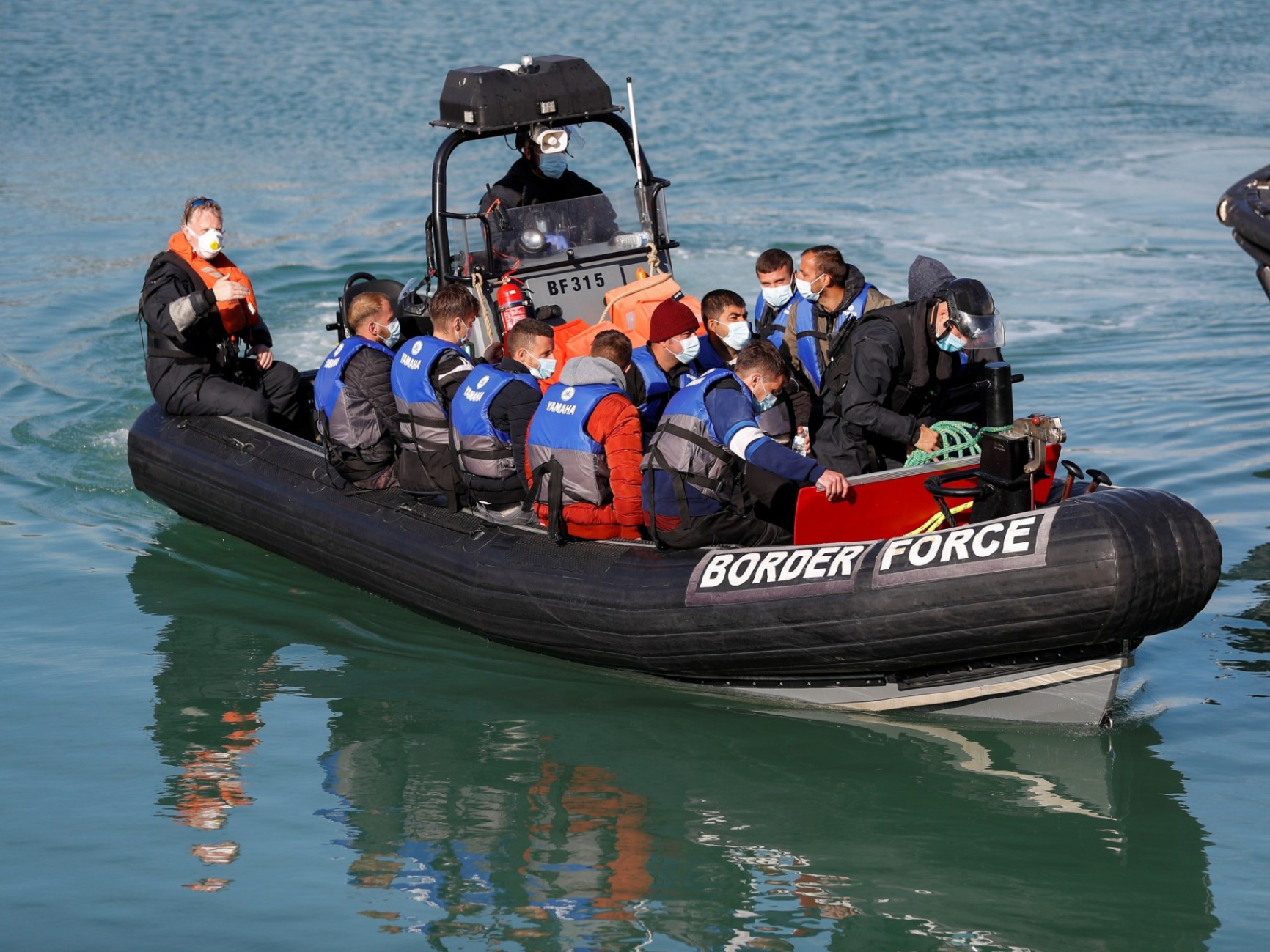
Meanwhile, social media platforms have erupted with reactions ranging from outrage to fierce political debate. Some users express horror at the thought of deliberate interference with vessels potentially carrying families and children. Others frame the clip within broader concerns about border control, claiming the incident reflects frustration among local residents.
Migration charities stress that online hostility can escalate real-world risks for vulnerable groups. They caution that the widespread sharing of provocative footage—whether real or manipulated—can fuel tensions and give rise to copycat behavior. For these organizations, the priority is urging the public not to normalize actions that jeopardize human life.
Opponents of vigilante interference argue that such behavior does nothing to resolve the complex issues surrounding migration. They note that sabotaging property, especially equipment tied to life-or-death journeys, is both dangerous and counterproductive. According to humanitarian workers, the focus should instead be on policy solutions that balance border integrity with human rights.
Several political commentators have called for a measured response that avoids inflaming an already polarized public. They warn that emotionally charged incidents, when amplified online, can distort the national discourse. Responsible leadership, they argue, requires acknowledging public concern while discouraging unlawful retaliation.
The British public remains deeply divided on immigration, and this video has exposed the fragility of that divide. Some communities near the coast say they feel overwhelmed by repeated crossings and lack clear support from authorities. Migrant-support groups counter that desperation, not opportunity, drives most crossings, and punitive approaches only worsen tragedies.
As fact-checkers examine the footage, the debate continues to expand across media outlets, podcasts, and town halls. Many journalists stress the importance of confirming whether the boats were operational, whether they belonged to anyone, and whether the men’s actions had any real-world impact. Without these details, experts caution that assumptions could lead to misinterpretation or misinformation.
Legal specialists highlight that even if the boats were not actively in use, damaging them could still carry penalties depending on ownership and intent. They add that if the vessels were intended for migration, sabotage could implicate more serious charges related to endangerment. These nuances underscore why authorities must investigate before drawing conclusions.
Humanitarian leaders are urging calm while calling on the government to address public concerns more transparently. They argue that policy silence only deepens suspicion and allows misinformation to circulate unchecked. Clear communication, they say, is vital to preventing further escalation.
For many citizens, the alleged footage symbolizes deeper anxieties about national identity, border security, and economic pressure. The emotional intensity of the debate reflects both the complexity of migration and the limits of public trust in government institutions. Whether authentic or misinterpreted, the video has tapped into a raw and unresolved national dialogue.
Ultimately, the incident—real or alleged—highlights the urgent need for structured, lawful approaches to managing migration challenges. Vigilante actions, experts agree, can place innocent lives at risk and undermine national systems designed to protect public safety. As the UK wrestles with these issues, many hope that compassion, legality, and factual accuracy will guide the path forward.
Until authorities provide further clarification, the footage remains a troubling mystery that continues to provoke heated responses across the country. Its impact, however, is already evident in the growing call for accountability and transparency from those in power. Whether this moment becomes a catalyst for reform or further division will depend on how leaders and citizens choose to respond in the days ahead.
